 English




 Accessories

Fashion Guides
Mixing Metals and Colors: A Complete Accessory Guide
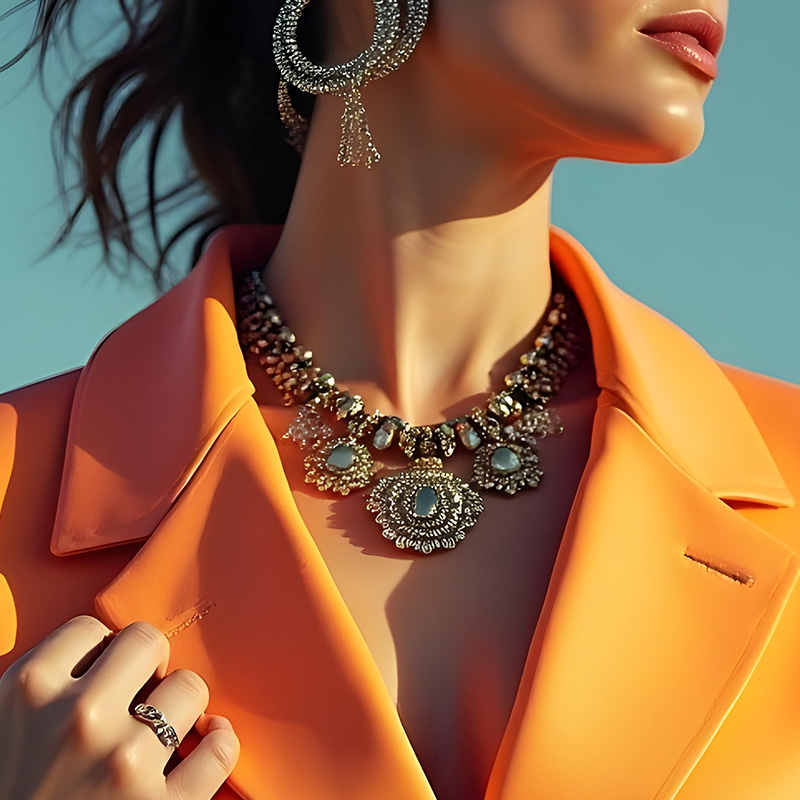
Accessories are no longer just finishing touches—they’re bold statements that define your style. One of the most exciting trends in fashion today is mixing metals and colors. Combining different metals, like gold and silver, or blending vibrant hues with neutral tones, allows you to create looks that are unique, modern, and full of personality. Whether you’re layering rings, stacking bracelets, or pairing earrings, knowing how to mix and match can elevate your outfits from ordinary to effortlessly chic. In this guide, we’ll show you how to master the art of mixing metals and colors with confidence and style.
Mixing Metals
Gone are the days when fashion rules dictated that gold and silver should never meet. Today, mixing metals is a bold and modern way to express your personal style. Combining different metal tones allows you to create layered, textured looks that are unique and eye-catching. From delicate gold rings stacked with silver bands to statement bracelets in mixed metals, the possibilities are endless. The key is balance—mix large and small pieces, and experiment with warm and cool tones to achieve harmony.
Color Play
When it comes to mixing colors in your accessories, think of it as painting your outfit. Bright and bold hues can be paired with neutral tones to create contrast, while subtle shades work beautifully together for a sophisticated look. For example, pairing a deep emerald green necklace with soft blush earrings adds dimension without overwhelming your ensemble. Accessories don’t have to match your outfit perfectly—they should complement and elevate it. Mixing unexpected colors can instantly refresh a classic look, giving it a modern twist.
Layered Looks
One of the most effective ways to mix metals and colors is through layering. Stack bracelets of different metals, wear multiple rings in varied tones, or combine necklaces of different lengths and colors. Layering creates depth and makes your accessory choices appear intentional rather than accidental. Keep in mind proportion: mix delicate chains with bold statement pieces, and balance heavier metals with lighter, more colorful elements. This approach makes it easier to experiment without feeling overdone.
Statement Pieces
Incorporating one statement accessory can guide your mixing choices. For instance, a bold, oversized gold watch or a chunky silver cuff can become the centerpiece of your ensemble. Once you have a statement piece, you can complement it with smaller items in contrasting metals or colors. Statement pieces give you a focal point, helping you mix metals and colors in a way that looks curated and chic, rather than chaotic.
Styling Tips
To master the art of mixing metals and colors, start small. Choose one type of metal as your base and add subtle touches of another. Similarly, pick one dominant color and introduce accents in secondary shades. Pay attention to your outfit’s overall tone—warm clothing tones often pair better with gold, while cooler shades harmonize with silver. Lastly, trust your instincts. Accessories are meant to reflect your personality, so if it looks and feels good, it works.
Final Thoughts
Mixing metals and colors is all about creativity, experimentation, and confidence. There are no strict rules—just guidelines to help you balance tones, layers, and textures. By thoughtfully combining metals and colors, you can elevate your everyday looks, create memorable outfits, and make a statement with your accessories. So, don’t be afraid to mix, match, and experiment—your style is uniquely yours, and your accessories should celebrate that.
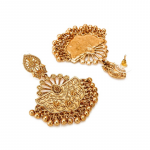
Gold-Toned Geometric Jhumkas Earrings
Rs.348.00

Gold-Toned Geometric Jhumkas Earrings
Rs.551.00
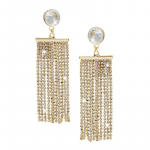
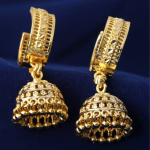
Gold-Plated Circular Jhumkas Earrings
Rs.349.00
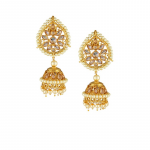
Gold-Plated Dome Shaped Jhumkas
Rs.874.00